
Comparing festival locations in Northern Ireland
Choosing among jazz festivals in Northern Ireland starts with the kind of setting and visit you want, rather than with a particular event listing. A city, town or smaller centre can shape how a festival feels and how widely its activities are spread. Venue locations and event formats also affect what a visit can include. These comparison points help narrow a regional search without treating every festival as the same experience.
Criteria for comparing locations
Four practical criteria help distinguish festival settings without assuming that a particular place or format suits every visitor. Consider each one in relation to the kind of visit you have in mind.
- Town or city setting: The scale and character of a place influence the feel of a festival visit, from a concentrated urban setting to a smaller-town atmosphere.
- Venue locations: A programme based in one central venue differs from activities spread across several sites, affecting how much movement a visit may involve.
- Event format: A festival may focus on concerts, combine performances with workshops, or use a varied programme; the format shapes the balance of listening and participation.
- Preferred visit style: Some visitors favour a focused evening of live music, while others want several activities or a broader sense of the local setting.
Taken together, these criteria describe both the character and practical scope of a visit. They also offer a useful way to compare regional jazz festivals in Northern Ireland before researching an individual event.
Scope of this guide
Jazz and Blues Festival Guide is an independent English-language information guide for readers interested in jazz festival settings in Northern Ireland. It is not a shop, business, service provider, school or organisation, and it is not a former project of the domain. The guide takes a place-based approach: it compares locations and the broad character of festival visits rather than maintaining a current calendar. It is not a travel guide, itinerary planner or source of transport and accommodation arrangements. Readers looking for jazz events can use the regional context to identify places of interest, then consult current event organisers or venue sources for practical details. No current dates, line-ups, ticket information or sponsor details are provided here. Those particulars can change between editions, whereas the focus remains on how different Northern Ireland settings may suit different festival interests.
Northern Ireland locations at a glance
Jazz festivals in Northern Ireland take place against very different urban and town settings. Belfast offers a larger city environment, while Derry, Coleraine, Armagh and Bangor each have a distinct scale and geography. Those differences can affect how far visitors travel between accommodation, venues and other stops. The comparison below focuses on place-level context rather than a particular festival or programme.
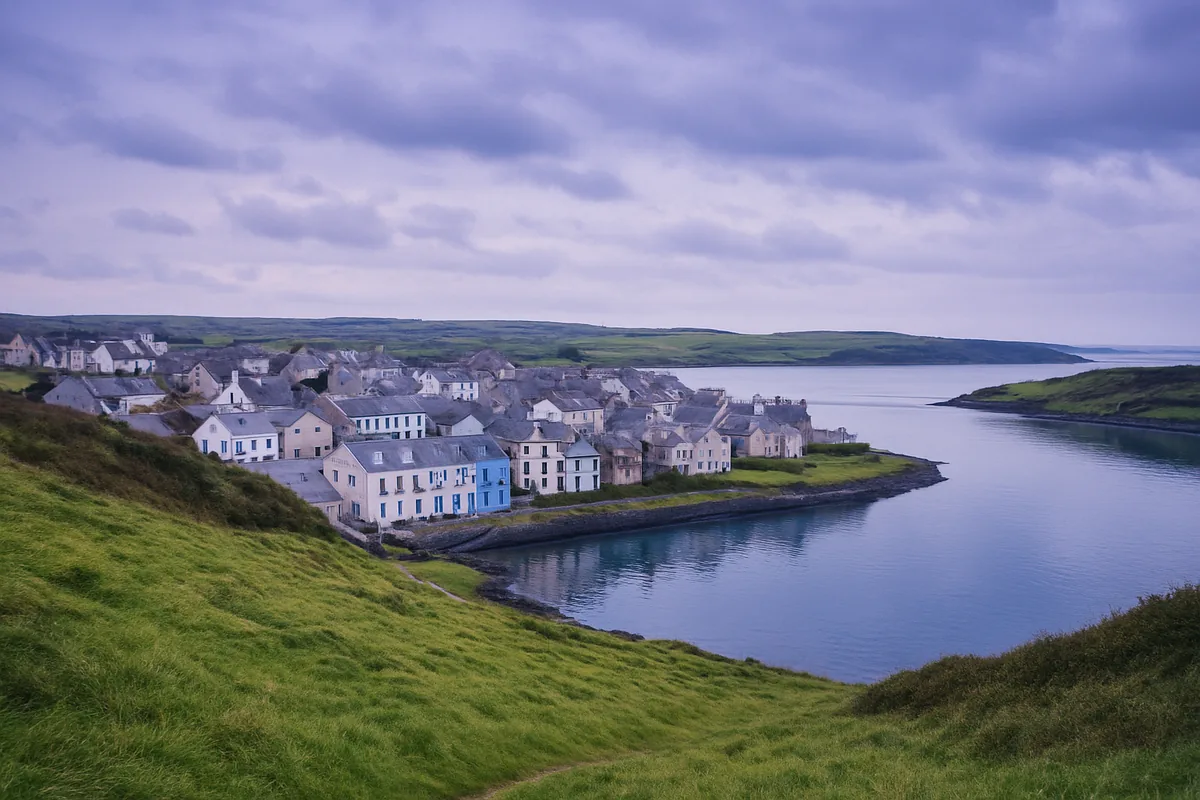
Setting and comparison points
These broad location features can help you picture the surroundings and practical geography of a visit.
| Location | Broad setting | Venue-location considerations | Visit the setting may suit |
|---|---|---|---|
| Derry | A city on the River Foyle, with a historic centre and a compact urban core. | Check where a venue sits in relation to the river crossings and central streets; walking routes may depend on which side of the Foyle you are staying on. | Visitors who want a city visit with a strong historic setting and central amenities within reach. |
| Belfast | Northern Ireland’s largest city, with a broader urban area and several distinct neighbourhoods. | Venue locations may involve different parts of the city, so the distance between a performance, accommodation and other plans can matter. | Visitors looking to combine live music with a wider choice of city activities and places to stay. |
| Coleraine | A riverside town on the River Bann in the north of Northern Ireland. | Consider the venue’s position relative to the town centre and your other stops, particularly if your plans extend beyond the town. | Visitors who prefer a town base and want to include nearby north-coast destinations in a wider trip. |
| Armagh | An inland city with a historic centre and a smaller-town feel than Belfast. | A venue’s relationship to the central area and your accommodation can help you assess the local geography; a compact setting can make it easier to orient yourself. | Visitors seeking a quieter city setting for a music-focused stay or a stop on a regional itinerary. |
| Bangor | A coastal town on Belfast Lough, east of Belfast. | Factor in the venue’s position within the town and whether your plans are centred on the waterfront, the centre or both. | Visitors drawn to a coastal setting, or those pairing a town visit with time around Belfast Lough. |
For festival travel and accommodation, the most useful comparison is often the distance between the likely venue area and the places you plan to spend time.
How to read the comparison
The table compares the geography and general character of each place; it does not confirm that a festival, performance or other event is taking place there. A town’s scale or setting can help you anticipate the surroundings, but it cannot establish which venues are involved. The layout within any one location may differ from one event to another: performances might use one central site or take place across several venues. Event format can also vary, so the comparison offers context about the place, not a description of a confirmed programme.
Derry
Derry is a location to consider when researching jazz festivals in Northern Ireland, with its historic centre and the River Foyle shaping how a visit may unfold. The city’s walls and river crossings offer useful reference points when comparing the locations of performances. A festival may keep its activity in one area or involve travel between separate venues, so the map matters as much as the event description. Checking the format alongside the venue locations helps set realistic expectations for moving between performances.
Venue setting
When researching Derry jazz festivals, consider how each listed venue sits in relation to the historic centre, the city walls and the River Foyle. These landmarks make it easier to assess whether performances appear clustered or spread across different parts of the city. A group of nearby venues can make an evening feel continuous, while a programme that crosses the river or extends beyond the centre may involve more deliberate route planning.
Look at the address of each performance space rather than assuming that a festival’s city name means every event is within easy walking distance. On a map, note the distance between venues, likely river crossings and whether a return to the same central point is needed between sets. The city’s pedestrian routes and bridges can shape the time required for a change of venue, particularly when performances are scheduled close together.
Venue placement also affects the rhythm of a visit. A central cluster can leave more time for music and less for navigation; a dispersed layout may suit someone who wants to experience different parts of Derry as well as attend performances. For live jazz in Northern Ireland, Derry’s geography is a practical part of choosing which events fit together, not just a backdrop to the music.
Event format and visit style
A single-venue event gives the visit one clear base: arrive for the performance, remain in the same space through the programme, and avoid inter-venue travel. This format can suit listeners who want to concentrate on the music or prefer a simpler evening plan. Check whether the advertised schedule is built around one continuous programme or separate performances, since that affects how much time you spend on site.
A multi-venue format offers a different experience. Moving between performances can expose you to varied rooms and audiences, but each transition takes time away from listening. In Derry, distances and river crossings may matter if venues are not close together, so allow for the actual route rather than judging by straight-line distance. Closely timed sets at different addresses may be harder to combine than performances with a generous interval.
Choose according to the kind of visit you want: one venue for a focused, settled evening, or several venues when variety and movement are part of the appeal. Before committing to a sequence, compare performance times, addresses and the space between sets. This makes the difference between a relaxed programme and a schedule dominated by transitions.
Belfast
Belfast offers an urban setting for experiencing jazz, with festival visits shaped by the relationship between performance spaces and the wider city. A programme may concentrate activity in one area or spread it across several neighbourhoods, so the number and location of venues matter. The format also affects whether an evening is built around one performance or several stops. These differences help distinguish Belfast jazz festivals from events based in smaller towns.
City scale and venue locations
Belfast’s urban scale can make a multi-venue festival feel like a city visit as well as a concert programme. Check how its locations relate to one another before planning an evening.
- A cluster of venues in or near the city centre can make it easier to move between performances on foot, especially when sets are scheduled close together.
- When sites are spread across different neighbourhoods, check the route and travel time between them; a short gap may not allow for a comfortable transfer.
- Look at the number of locations as well as the number of performances: several stages at one site create a different visit from venues across the city.
- Scheduling gaps affect how much time is available for a meal, a rest or getting to the next room; compare the set times rather than assuming they align.
- Venue capacity and room layout can shape the atmosphere, from an intimate club setting to a larger performance space with more audience movement.
- For a multi-stop evening, note which performance is the priority and how far it sits from the other sites, so a delayed start does not disrupt the plan.
A venue map and programme timetable together give a clearer picture than either alone. They show whether the event’s urban spread suits a compact evening or calls for more time between performances.
Event format and visit style
A single-site festival format keeps performances within one venue or a closely connected group of rooms. It can suit a focused visit: the programme may allow an audience to settle in for a full evening without repeatedly navigating between addresses. A multi-venue format uses more of Belfast’s urban setting, with performances distributed among separate venues. That can offer a broader city-based experience, but the programme’s sequence matters: overlapping sets may require choosing between artists, while short intervals can make movement feel rushed. Consider whether the event is organised around one headline performance, a sequence of sets, or parallel performances. A focused visit works well when one artist or evening programme is the main priority. A wider city visit suits those interested in sampling different rooms and musical approaches, provided the schedule leaves practical time to move between them. Check whether tickets cover one performance or multiple events, and whether entry is timed or continuous; those details affect how flexibly the evening can unfold. The best fit depends on whether you value staying with a complete programme or visiting several parts of Belfast’s jazz scene.
Coleraine
Coleraine is a town on the River Bann in County Londonderry, offering a different setting from Northern Ireland’s larger cities. For jazz festivals in Northern Ireland, the practical question is how performances are arranged across the town. Venue addresses and the programme schedule can show whether an evening stays in one area or involves several stops. That distinction shapes the pace of a visit more than the town name alone.
Venue spread and setting
Coleraine’s position on the River Bann gives the town a distinct geographic frame, but a performance programme may use one venue or several locations. Before planning an evening, compare each venue address with the others rather than assuming that every concert takes place in the town centre. A cluster of addresses within the central area can make it practical to attend performances consecutively on foot; locations farther apart may require extra travel time.
Look at the schedule alongside a town map. Note the start and finish times, the gap between sets, and whether the next venue is within a comfortable walk or calls for a taxi or local transport. Even a short journey can affect the evening if a performance ends late or the interval is brief. For a visit involving more than one location, allow time to find the entrance and settle before the next set begins.
This venue check also helps distinguish a central base from a more spread-out plan. If accommodation, dining and performances are close together, the evening can remain in one part of town. If the addresses are dispersed, treating each performance as a separate stop makes the travel element easier to anticipate. That simple comparison gives a clearer picture of how Coleraine might work as a setting for live jazz in Northern Ireland.
Character of the visit
A compact programme based around one venue can suit a visit centred on listening: arrive before the first set, stay for the scheduled performances, and leave without crossing town between concerts. The room itself then shapes the evening, from the audience layout to the interval arrangements. Check whether the programme lists one continuous event or separate sets, since that affects how long you may spend at the venue.
A programme using multiple locations creates a more mobile visit. Allow time between performances for the journey, finding the next entrance and any change in start time; a tight 15-minute gap, for example, leaves little room for a detour. If sets are spaced farther apart, the plan may include a meal or a break before moving on. The addresses and timings, rather than an assumed festival scale, determine whether that pace is manageable.
For a short stay, a single-venue schedule can make it easier to plan transport and accommodation around one evening destination. A multi-venue schedule may suit visitors who want to experience more of the town between sets, provided the timetable leaves enough time to move. In either case, the venue arrangement is the clearest guide to the character of the visit.
Armagh and Bangor
Armagh and Bangor offer different town settings for considering jazz festivals in Northern Ireland. Armagh is an inland historic city with a compact central area, while Bangor is a coastal town beside Belfast Lough. Those settings can shape how a visit feels, depending on where an event places its performances. The comparison below describes possible venue patterns, not confirmed events.
Comparing the town settings
The town setting can help you picture the kind of visit a performance might suit, but it does not confirm that an event is taking place. Armagh’s compact historic centre and Bangor’s coastal setting create different possibilities for arranging an evening around music.
| Factor | Armagh | Bangor |
|---|---|---|
| Broad town setting | Inland historic city with a compact central area. | Coastal town beside Belfast Lough, with a waterfront setting. |
| Potential venue location | A central venue could keep performances, shops and civic streets within a relatively contained visit. | A town-centre or waterfront-area venue could connect a performance with the seafront and nearby town amenities. |
| Visit style that may suit | A focused town-centre visit, with less emphasis on adding a coastal outing. | A music visit that may also include time by the water, if the venue and schedule make that practical. |
| Planning consideration | Check the venue’s exact address and whether performances are grouped in one location or spread across the centre. | Check the venue’s distance from the waterfront and town centre, and whether the event uses more than one site. |
For a compact itinerary, a central Armagh venue may make it easier to keep the visit focused on performances and nearby town facilities. Bangor may suit visitors who want a coastal setting alongside a music event, but that depends on the actual venue and event timetable rather than the town’s setting alone.
Neither pattern guarantees a particular programme, venue type or festival format. For either town, the practical choice comes down to the confirmed location and how it fits the kind of visit you want.
Checking event details
Availability, dates, venue arrangements and programme formats vary by event, so verify each detail before making plans around Northern Ireland jazz events. A town’s setting does not establish that a festival or individual performance is scheduled there.
Check current information from the event organiser or named venue for the performance date, start time, ticket availability and any changes to the programme. Confirm whether the event is a single concert, a series across several days, or a multi-venue programme; these formats affect how much time you may need in Armagh or Bangor. If the listing gives a venue name without a clear address, confirm the precise location and whether all performances use that site. Recheck the details close to your visit, particularly if travel or accommodation depends on a specific date. Treat older listings and general festival references as background, not as confirmation of a current event.
Belfast, Coleraine, Armagh and Bangor
Choosing among Belfast, Coleraine, Armagh and Bangor is less about a single festival model than the kind of visit each setting supports. Belfast offers an urban base with more scope to move between different parts of the city, while the three towns offer a more compact sense of place. Across Jazz festivals in Northern Ireland, venue location and event format help shape whether an evening feels like a city outing or a town-centred visit. The useful comparison is how much variety, movement and local focus you want, rather than an assumed ranking.
Matching a setting to your visit
Belfast suits visitors who want to build a jazz evening into a broader city stay. Its larger urban scale allows for a wider choice of places to visit, but getting between venues may take more planning than in a compact town centre. It works well for travellers who value variety and are comfortable organising their evening around a city rather than a single central hub. For visitors comparing Belfast jazz festivals, the city setting can be as important as the performance itself.
Coleraine, Armagh and Bangor are better fits for a visit centred on a smaller urban area. Their more compact scale can make it easier to combine an event with a meal or a short walk through the centre, without making the whole trip feel like a city break. Coleraine can appeal to visitors looking for a regional base, while Bangor offers a town setting for those who prefer a contained visit. Armagh suits travellers drawn to a compact city centre and a quieter pace.
Choose Belfast when you want more urban variety and are happy to account for movement across the city. Choose Coleraine, Armagh or Bangor when a smaller setting and a more focused visit better match your plans. The best fit depends on whether you prefer a city-scale outing or an event that sits within a town-centred stay.
What varies between events
Venue choices can differ considerably from one event to another, even within the same place. A programme might use a dedicated music space, an arts venue or a pub, and the scale and layout of each setting can change how close the audience feels to the performers. In Belfast, more urban options may mean moving between locations; in a smaller town, an event may feel more closely tied to its centre.
Formats also vary: one event may focus on a concert, while another combines performances with workshops or other music activities. The balance of traditional jazz, swing and modern jazz can differ too, as can the presence of local musicians. These are possibilities rather than fixed features of any one place. For live jazz in Northern Ireland, the useful distinction is between the setting an event uses and the programme it chooses to present; neither can be assumed from the town name alone.