
How to compare blues festival locations
Comparing blues festivals in the UK starts with the kind of setting and visit you want, rather than a place name alone. Jazz and Blues Festival Guide is an independent English information guide that explains how locations and event formats can shape a festival experience. Towns, cities, indoor spaces and outdoor stages each create different patterns of movement and atmosphere. Consider the setting, venue arrangement and programme together to decide which scale suits your plans.
Town or city setting
A town setting can make a festival feel closely connected to its surrounding streets, public spaces and local venues. If several activities sit near the centre, moving between them may involve short walks and familiar landmarks. A rural town can also draw attention to the surrounding countryside, while a town with a waterfront may give the event a more open, coastal character. These differences come from the location itself; they do not guarantee a particular programme or layout.
A city setting usually offers a broader urban backdrop, with performance spaces potentially spread across distinct neighbourhoods or concentrated in a central district. Longer distances between venues can make transport and scheduling more significant, while a compact city-centre arrangement may still allow several performances to fit into a walking visit. The character of the area—historic streets, modern cultural districts or busy commercial roads—can influence how the event feels between sets as well as during them.
For your preferred visit, weigh the appeal of a concentrated town experience against the variety and wider geographic spread a city may offer. A setting that matches how much you want to walk is often the better fit.
Venue type and event format
Compare the practical shape of the event as well as its location. These four criteria help distinguish a relaxed, concentrated visit from one that involves more movement or a wider choice of performances.
- Indoor or outdoor venues: Indoor rooms create a defined performance space, while open-air stages place music in parks, gardens or streets; choose according to the atmosphere you enjoy.
- One venue or several: A single venue keeps performances in one place, whereas several venues offer different settings but may require you to plan transitions between them.
- Single-site or multi-site format: A single-site event centres activity within one location; a multi-site format distributes it across separate spaces, shaping how much time you spend moving around.
- Breadth of the programme: A focused schedule gives attention to a narrower range of performances, while a broader programme can offer more styles, stages or activities to choose from.
These distinctions are useful whether you are comparing live blues music festival venues in a town or a larger urban area. Check how the spaces relate to one another and how much of the programme you hope to experience: a close-knit arrangement may suit a settled visit, while varied stages and settings can reward a more exploratory one.
Choosing a visit scale
A compact, town-based visit may centre on a small number of nearby spaces, making it easier to keep the day focused on performances and the immediate surroundings. A larger urban setting can involve more venues, longer transfers and a wider choice of places to visit between sets. Neither scale is inherently better; the distinction is how much time and attention you want to give to moving around.
Event duration matters too. A short programme may suit a focused visit, while a longer event can make a broader range of performances and locations easier to attend without trying to fit everything into one day. Venue spread determines whether walking between stages is straightforward or whether travel needs to be part of the plan; programme breadth affects how many performances compete for your time. Match the location to the duration, distances and amount of music you want, then compare settings on those practical terms.
Blues festival locations at a glance
Blues festivals in the UK span small-town settings and large urban areas, so place names alone do not describe the event experience. A useful first comparison separates town and city contexts, then considers the scale and distribution of the performance spaces. Geography also matters: the locations below cover several parts of England and Northern Ireland. Treat the table as a starting point for comparing settings, not as a description of a particular programme or venue arrangement.
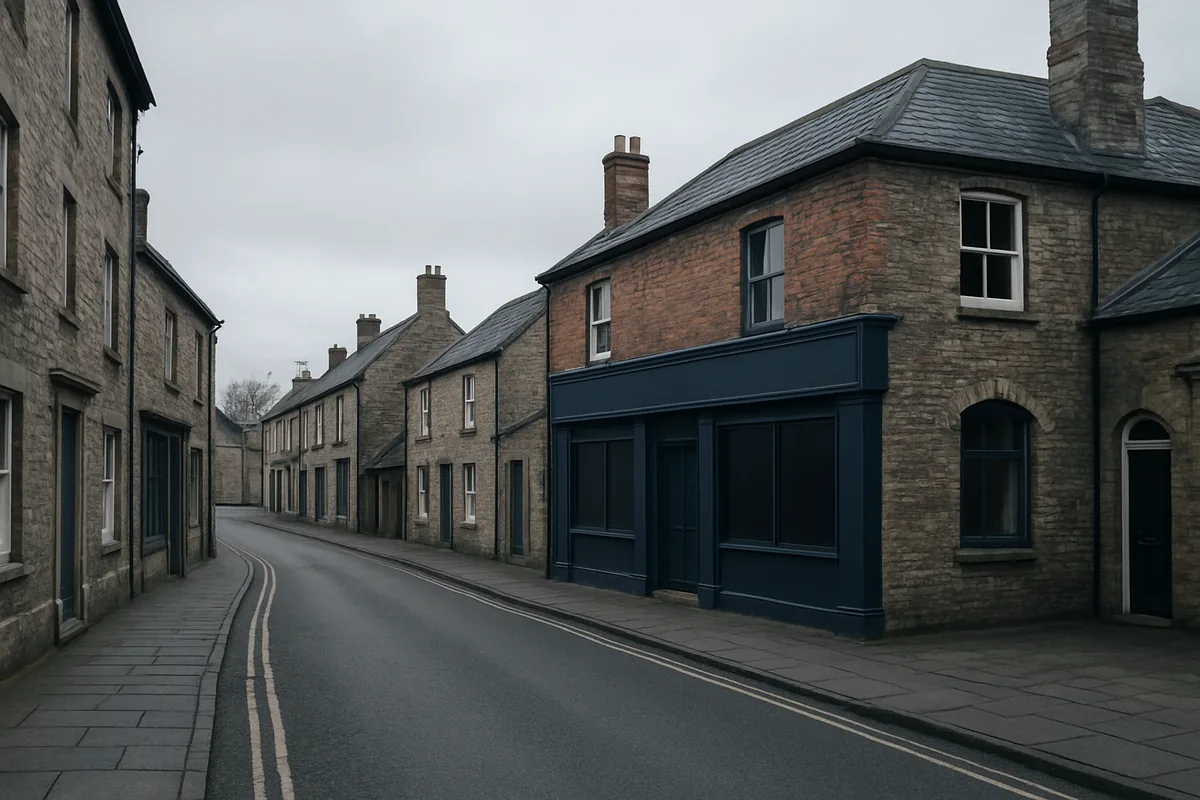
Location comparison table
These broad categories show where each place sits and what to check when comparing blues festival venues across Britain. Venue scale and format are questions for each event’s published details, rather than assumptions based on its location.
| Location | Broad setting | Geographic area | Venue scale to compare | Format consideration |
|---|---|---|---|---|
| Upton upon Severn | Town | Worcestershire, England | Check whether performances use one main space or several venues. | Look for the distance between performance spaces and other event facilities. |
| Colne | Town | Lancashire, England | Compare the number and capacity range of the listed spaces. | Check whether the programme is concentrated or spread across venues. |
| Belfast | City | Northern Ireland | Establish whether the event uses a single venue or multiple performance spaces. | Check how venue locations relate to the city-centre setting. |
| Derry | City | Northern Ireland | Compare the scale of each named venue in the programme. | Check whether the event centres on one site or uses separate spaces. |
| London | Large city | England | Identify the stated capacity and number of live music spaces, where provided. | Check travel between venues if the programme is distributed across the city. |
The table distinguishes geographic context from event-specific details; announced venue lists are needed to establish the actual layout.
Reading the setting differences
Upton upon Severn and Colne offer town settings for comparison, while Belfast, Derry and London are urban contexts. That distinction can shape the questions worth asking, but it does not establish how many stages an event uses or how far apart they are. For town-based research, check whether the programme is centred on a compact group of spaces; for city research, check whether performances are distributed across venues.
Then match venue type and travel between spaces to the visit scale you prefer, from a focused programme to a broader city itinerary. Use the comparison to shortlist locations, then confirm the event’s venue list and format before planning a visit.
Upton upon Severn
Upton upon Severn is a Worcestershire town beside the River Severn, offering a town-scale setting to consider when researching blues festivals in the UK. Its location gives visitors a different frame of reference from a large city or a rural site. The town’s setting can inform expectations, but it does not establish how any particular event is arranged. Check current event details separately before making plans.
Town setting
Upton upon Severn is a small town in Worcestershire, beside the River Severn. Its scale offers a different point of reference from a major city: the surrounding town context can shape how a visitor thinks about moving between performances and other parts of a visit.
For blues festival research, consider venue concentration as a question to investigate rather than assume. A town setting may bring a different pattern of travel and orientation from a spread of rural sites or a city-centre programme, but the actual distances and spaces depend on the event. Check venue addresses on a map and compare them with accommodation, transport points and the town centre.
The setting can also influence the character of a blues-related visit. Some visitors may value a town atmosphere alongside live music, while others may prioritise a particular stage or a broad programme. Those preferences are useful filters, not evidence about a current event. Treat Upton as a location to assess through its scale and river-side context, then confirm what the event actually offers.
Checking the event format
The town name alone does not confirm how an event is staged. Verify these four details independently using current event information:
- Indoor or outdoor venues: Check whether performances take place inside buildings, outdoors, or across both settings; this affects what spaces are involved and how the programme is experienced.
- One site or several: Establish whether activity is concentrated at a single location or spread across multiple venues, then check the distances and routes between listed addresses.
- Event format: Confirm whether the event is a festival, a multi-venue weekend, a concert series, or another format; similar names can describe different kinds of programmes.
- Current programme scope: Review the latest programme for the number and type of performances, participating spaces, and any accompanying activity, rather than relying on older descriptions.
These checks help distinguish the town setting from the practical shape of a particular event. Confirm the current format and venue details before deciding whether Upton upon Severn suits the visit you have in mind.
Colne
Colne is a useful town setting to include when comparing blues festivals in England. Its location in Lancashire gives it a distinct regional context from major-city event settings. The town itself and the venues used for an event are separate parts of the comparison. Check both before judging how a visit might work.
Colne as a town setting
Colne is a Lancashire town in north-west England, near the eastern end of the M65. That town-scale context offers a different starting point from a large urban centre: comparisons can focus on how event spaces relate to the town rather than on a broad city-wide choice of districts. For blues-focused event research, identify the town centre and the location of each named performance space on a map, then consider the distances between them. The relationship between setting and venues matters more than the town label alone. A programme using one central venue may involve a different visit pattern from one spread across several performance spaces; the latter can make walking routes and gaps between sets more relevant. Check transport connections and nearby accommodation separately rather than assuming that a town setting means every venue is close together. Colne can therefore be compared with other UK blues festival locations by looking at venue positions, the number of sites and the practical scale of moving between them.
Location context and programme
Colne’s position in Lancashire is stable location context; the arrangement of an event is not. Venue choices, the number of stages, indoor or open-air performance spaces, and the balance of concerts and other activities can vary between editions. A town location alone does not establish whether a particular programme uses one building, several venues or outdoor stages, so confirm those details in event-specific information. Programme format also affects how the town setting works for a visit. A single-venue schedule can make the main performance space the key reference point, while a multi-venue programme calls for checking addresses, set times and the distance between stages. Look for practical details such as accessible routes, event facilities and whether camping is offered; do not infer them from Colne’s size or location. Keep the two checks separate: use the town’s geography to identify the regional setting, then use current programme and venue information to plan. That comparison gives the clearest basis for deciding whether Colne suits your preferred blues weekend.
Belfast and Derry
Belfast and Derry offer contrasting Northern Irish city settings for blues festivals in the UK. Belfast has the larger urban footprint, while Derry’s historic centre is more concentrated around its walled core. Those differences can influence whether a visit feels centred on one area or involves moving between districts. Venue formats and distances should still be checked for each event, as a city setting alone does not establish how a festival is organised.
Comparing the city settings
Belfast is Northern Ireland’s largest city and has a broader urban footprint than Derry. For a festival visitor, that scale can mean considering whether performance spaces are clustered in the centre or spread across different neighbourhoods. A programme using several city venues may involve more travel between sets than one based at a single central location; the city’s size makes checking venue addresses particularly useful.
Derry is smaller in scale, with a historic centre shaped by its walled core. This gives the central area a more defined geography, which may make nearby venues easier to combine on foot if an event uses several spaces there. However, a festival’s actual layout depends on its chosen venues, and locations outside the centre can change the distances involved.
Both settings can suit indoor blues festivals, including formats based around one performance space or several venues. Belfast’s wider urban context may suit a more distributed programme, while Derry’s concentrated centre may lend itself to a compact visit. Treat these as planning possibilities rather than fixed event patterns: confirm the venue locations before deciding how much time to allow between performances.
Venue patterns and visit scale
The comparison below describes how each city’s scale may affect a visit, not the confirmed layout of any particular festival. Live blues music festival venues can range from one indoor base to several performance spaces, so check the event’s own venue information.
| Criterion | Belfast | Derry |
|---|---|---|
| Urban scale | Larger city with a broader urban footprint and multiple neighbourhoods. | Smaller city, with a more defined historic centre around the walled core. |
| Possible venue pattern | A central base or venues across more than one district are both possible. | A central cluster or a single central venue may support a compact plan. |
| Potential geographic spread | Allow for the possibility of longer transfers if venues are in different areas. | Nearby central venues may be easier to combine; check any outlying address. |
| Visit scale | A broader visit may suit a multi-venue programme; a single venue can keep plans focused. | A compact visit may work well for central venues; wider plans depend on the programme. |
For either city, compare venue addresses with the performance schedule before planning transfers or accommodation. Choose Derry for a potentially more concentrated city-centre visit; Belfast may suit a broader urban itinerary, provided you allow for travel between any separated venues.
London
London is a large urban location to consider when researching blues festivals in the UK. Its scale makes the arrangement of event sites as important as the music programme: venues may be concentrated in one area or spread across different parts of the city. Comparing formats helps clarify whether a visit centres on one performance space or involves several journeys. The key details are venue count, setting and the distance between stages.
Large urban setting
London’s size makes venue concentration a useful first comparison. A programme based around one district can feel quite different from events using performance spaces in separate parts of the city, even when both offer a similar number of concerts. Check the location of each site rather than relying on the city name alone.
Distances between venues affect how easily a visit can move from one performance to another. A map can show whether sites are close enough to link on foot or whether journeys by public transport are likely to shape the day. Straight-line distance is not always a reliable guide to travel time, particularly when a route involves changing transport or crossing a busy central area.
The scale of a blues-related visit also depends on how much time you want to spend moving between performances. One concentrated site may suit a focused outing; a spread-out programme can make music one part of a wider city visit. Compare the number and distribution of event locations before deciding which format matches your available time.
Venue and format considerations
Venue arrangement determines how you compare programmes and plan time between performances. These four format considerations help define the scope of your research.
- Single venue: A programme in one building keeps performances in a defined space, so compare its rooms, stage layout and the range of sets presented there.
- Multiple venues: Several sites can broaden the programme, but check their addresses and scheduling to determine how much travel separates performances.
- Indoor setting: Indoor blues festivals offer performances in enclosed spaces; note whether the programme uses one room or several stages within a venue.
- Outdoor setting: Open-air stages may sit in a park, garden or other outdoor space, so compare the site layout and how performances are distributed.
Programme breadth matters as much as venue count: a single building may host several performance spaces, while a multi-site event may use a compact programme. For a clear comparison, map the venues first, then check how the stages and performances are arranged.